The Role of the Media: How Coverage Has Changed the Audience’s Experience of Horse Racing


The Role of the Media: How Coverage Has Changed the Audience’s Experience of Horse Racing
Horse racing has long been a sport steeped in tradition, speed, and spectacle. Yet the way audiences experience it has evolved dramatically alongside the media that cover it. From the early days of newspaper reports to today’s live-streamed races and social media highlights, media coverage has shaped how the public understands, engages with, and feels about the sport. In modern Britain, horse racing is not just an event on the track – it is a media experience, crafted and consumed through screens.
From Print to Television – A New Era Begins
In the early 20th century, horse racing was an experience reserved for those who could attend the racecourse in person. Newspapers published results and brief summaries, but the thrill of the race – the sound of hooves, the crowd’s roar – was something only spectators could feel. The arrival of radio, and later television, changed that forever.
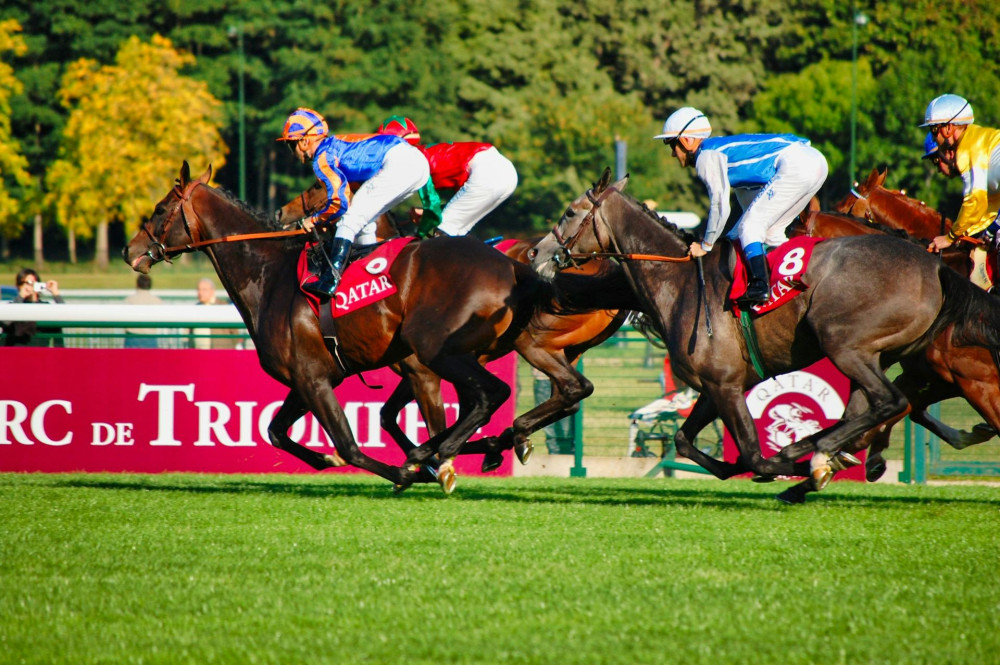
By the 1960s and 70s, televised coverage brought the drama of the races into living rooms across the UK. Programmes such as Grandstand and Channel 4 Racing made the sport accessible to millions. Commentators gave voice to the tension and tactics, while slow-motion replays and close-up shots revealed details invisible to the naked eye. For the first time, fans could share in the excitement from home, creating a new sense of national connection around major events like the Grand National or Royal Ascot.
Analysis, Expertise, and Storytelling
As media coverage became more sophisticated, the focus expanded beyond the race itself. Expert pundits began to analyse form, breeding, and strategy, offering insights that deepened the audience’s understanding. Statistics and data became part of the storytelling, allowing viewers to make informed predictions and feel more involved in the outcome.
At the same time, the media began to humanise the sport. Horses were portrayed as personalities with quirks and temperaments, while jockeys and trainers became household names. Their stories – of triumph, risk, and resilience – gave the sport emotional depth and made it more relatable to a wider audience.
The Digital Shift – Racing in the Online Age
Today, horse racing is as much a digital experience as a physical one. Live streaming services, mobile apps, and social media platforms allow fans to follow races in real time, wherever they are. Behind-the-scenes videos, interviews, and training updates are shared instantly, giving audiences unprecedented access to the sport’s inner workings.
This digital transformation has made racing more accessible but also more fragmented. Where once viewers gathered around a single television broadcast, they now follow individual YouTube channels, podcasts, or betting apps. The experience is increasingly personalised – some focus on the sport’s athleticism, others on the betting, and others still on the social atmosphere of race days.
Betting and Media Integration
Few sports are as closely tied to betting as horse racing, and modern media have woven wagering directly into the viewing experience. Many platforms now combine live footage with real-time odds, expert tips, and interactive features. This integration turns spectators into participants, heightening both excitement and emotional investment.
However, this shift also raises questions about balance. While betting engagement keeps the sport financially vibrant, it can overshadow the athletic and cultural aspects of racing. Broadcasters and governing bodies face the challenge of maintaining integrity and promoting responsible gambling while keeping audiences entertained.
Social Media and New Voices
The rise of social media has opened the gates to a new generation of voices. Trainers, jockeys, owners, and fans now share their own content directly with the public. This has made the sport more transparent and authentic, but also more diverse in tone and quality. A tweet from a jockey after a big win or a stable’s TikTok video can reach more people than a traditional news report.
For many fans, this direct connection is what makes modern racing so engaging. They can follow their favourite horses on Instagram, join discussions on X (formerly Twitter), or watch live Q&As on Facebook. The community around horse racing has become more interactive, immediate, and global than ever before.
Læs også:

The Future – Tradition Meets Technology
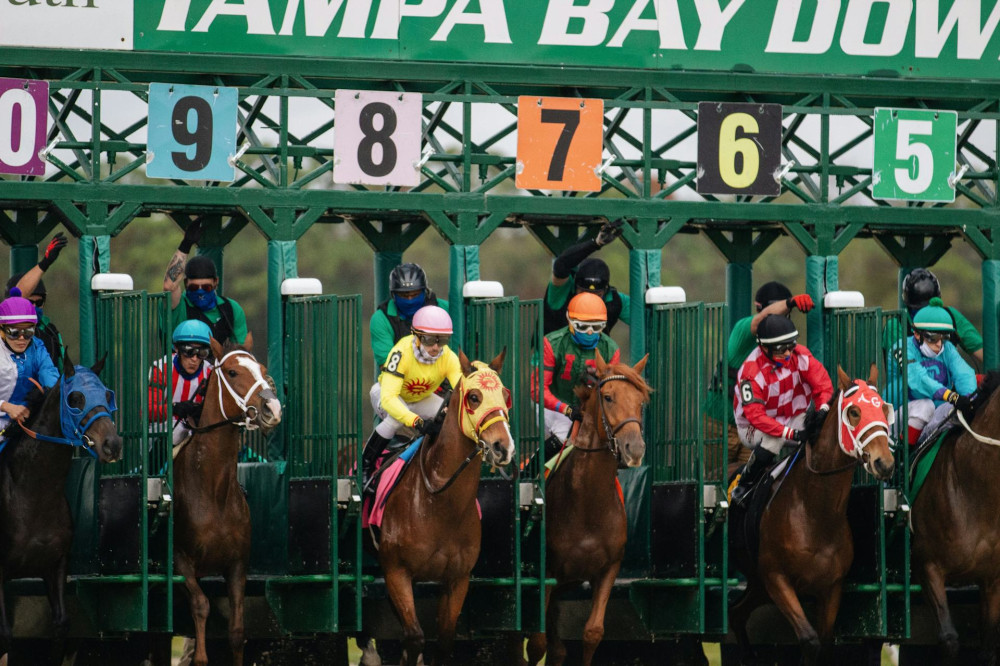
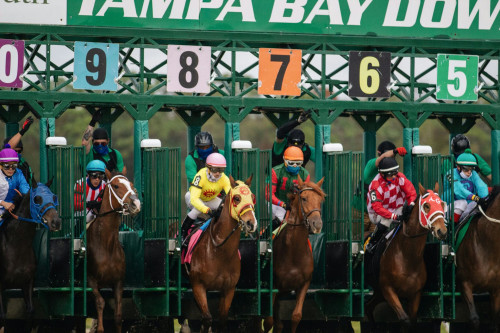
The future of horse racing coverage in Britain will likely blend heritage with innovation. Virtual and augmented reality could soon allow fans to experience races from the jockey’s perspective, while artificial intelligence may offer deeper analysis of performance and strategy. Yet, despite these technological advances, the essence of the sport remains unchanged: the anticipation as the gates open, the thunder of hooves, and the rush of the finish line.
Media will continue to shape how we see and feel horse racing, but the heart of the experience – the thrill of the race itself – will always endure.
Læs også: