Bet on Multiple Races – Learn to Assess Horses Across Distances and Tracks

Bet on Multiple Races – Learn to Assess Horses Across Distances and Tracks
Betting on horse racing isn’t just about luck – it’s about knowledge, analysis, and the ability to recognise patterns. One of the biggest challenges for both new and experienced punters is judging how a horse performs when it changes distance, track, or surface. A horse that dominates in short sprints may struggle over longer trips, and a turf specialist might not shine on the all-weather. In this article, you’ll learn how to assess horses across different distances and tracks – and improve your chances when betting on multiple races.
Understand Each Horse’s Strengths and Weaknesses
Every horse has its own profile – a mix of physical ability, temperament, and running style. Some have explosive speed and excel over short distances, while others have the stamina and rhythm to maintain pace over longer trips.
When analysing a horse, look for:
- Past performances: Where has the horse won, and at what distances?
- Running style: Does it like to lead early, or does it come from behind?
- Trainer’s approach: Some trainers specialise in sprinters, others in stayers.
- Age and current form: Younger horses can improve quickly, while older ones often show more consistency.
By comparing these factors, you can start to identify patterns that reveal where a horse is most likely to perform well.
Distances – From Sprint to Stayer
Distance is one of the most decisive factors in racing. A horse that has won several times over 6 furlongs isn’t automatically a good bet over 1¼ miles.
- Sprints (up to about 7 furlongs) demand speed and sharp acceleration. Lighter, agile horses often have the edge.
- Middle distances (1 mile to 1¼ miles) reward balance between speed and stamina.
- Staying races (1½ miles and beyond) require endurance, rhythm, and the ability to settle into a steady pace.
When a horse steps up or down in trip, check how it has handled similar changes before. A horse that fades late might need a shorter race, while one that finishes strongly could benefit from a longer distance.
Track Types and Surfaces
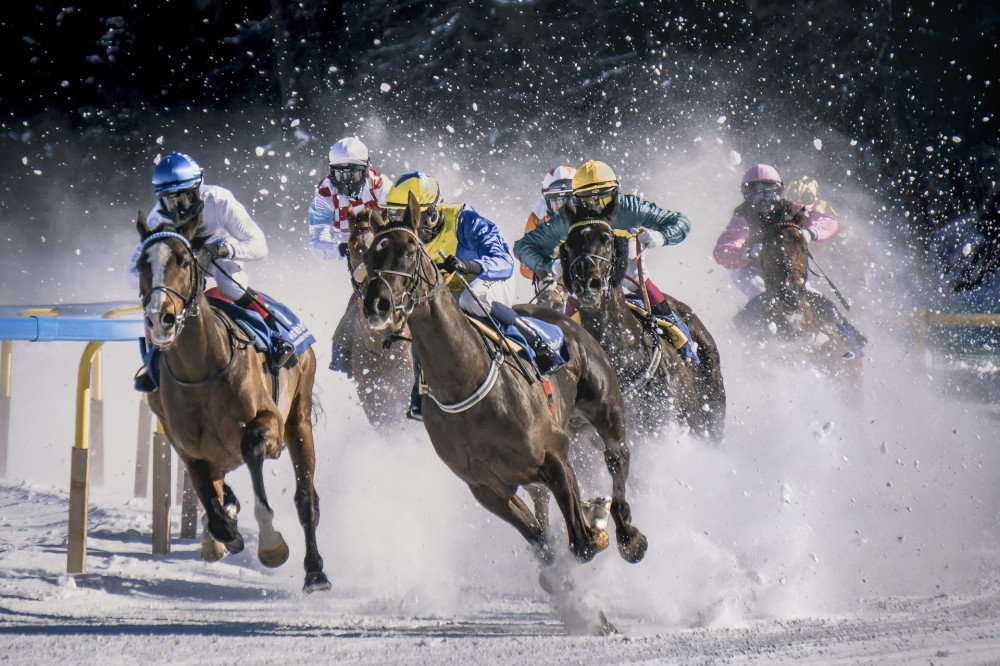
Not all racecourses are the same. Some are flat and fast, others undulating and testing. The surface – turf, dirt, or synthetic – can make a big difference.
- Turf courses dominate in Britain and can vary from firm to heavy depending on the weather. Some horses love soft ground, while others need it quick.
- All-weather tracks (such as Polytrack, Tapeta, or Fibresand) offer more consistent conditions, but not every horse adapts well to them.
- Dirt surfaces are less common in the UK but appear in international racing; they tend to favour strong, front-running types.
Always check how a horse has performed on the going and surface expected on race day. A horse that thrives on firm ground at Newmarket might struggle on soft going at Haydock.
Local Conditions and Travel
Even small differences in track layout can affect performance. Some courses, like Chester, have tight turns, while others, like Newbury, have long, galloping straights. A horse that excels on a sharp track may find it harder to sustain its run on a more demanding course.
Travel can also play a role. Some horses handle long journeys and new surroundings well, while others lose focus away from home. Look for evidence of how a horse has performed when racing at different venues.
The Jockey’s Influence
Even the best horse can underperform if the jockey doesn’t understand its rhythm. An experienced rider who knows the horse’s quirks can make a big difference – especially when the horse is trying a new distance or track.
Check the partnership’s record: have they won together before? Does the jockey have a good strike rate at the course or in similar races? These details can be crucial when assessing a horse’s chances.
Comparing Horses Across Races
When betting on multiple races, the goal is to find value – horses whose true chances are better than the odds suggest. To do this effectively:
- Build a profile for each horse – note distance, surface, course, and form.
- Compare performances – how does the horse cope when conditions change?
- Assess the competition – a horse that’s average in a strong field might be a standout in weaker company.
- Watch weight and draw – small factors that can tip the balance.
By using this systematic approach, you can uncover hidden opportunities and make more strategic bets across several races.
Læs også:


Bet Responsibly
Horse racing should be enjoyable and engaging, but it also requires discipline. Set a budget, stick to your plan, and don’t let emotions dictate your choices. Even the best analysis can’t predict everything – but with knowledge, patience, and a clear strategy, you can improve your chances of long-term success.
Læs også: