Rules and Responsibilities: Why Protecting Horse Bettors Matters

Rules and Responsibilities: Why Protecting Horse Bettors Matters
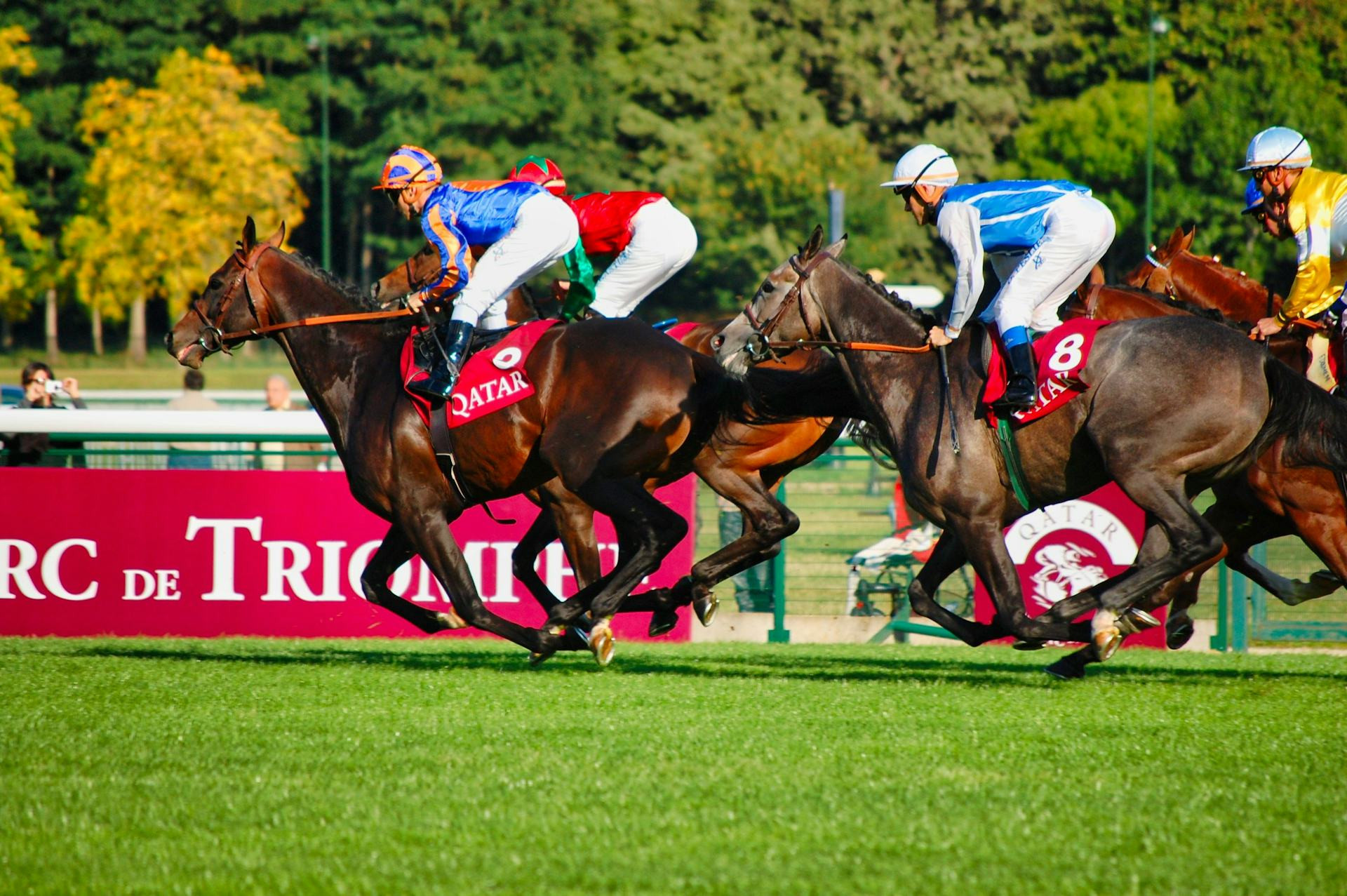
Horse racing has long been part of Britain’s sporting heritage – a blend of tradition, excitement, and community. From the roar of the crowd at Cheltenham to the elegance of Royal Ascot, the sport captures the imagination of millions. For many, betting on horses is part of the thrill, adding an extra layer of engagement and anticipation. But with that excitement comes responsibility – for bettors, operators, and regulators alike. Protecting horse bettors is not just about preventing gambling harm; it’s about ensuring fairness, transparency, and trust in a sport where passion and money often meet.
A Changing Betting Landscape
The way people bet on horse racing has changed dramatically in recent years. Once, placing a bet meant visiting a bookmaker or attending the racecourse. Today, online platforms and mobile apps make betting possible anywhere, at any time. This accessibility has broadened the audience – but it has also increased the risk of problem gambling.
As a result, responsible gambling has become a central focus. Licensed operators in the UK must comply with strict rules on age verification, player monitoring, and data protection. The goal is to maintain the fun and excitement of betting while ensuring that boundaries are clear and support is available when needed.
Why Protection Matters
Protecting horse bettors is about more than preventing financial loss. It’s about safeguarding the integrity of both the sport and the betting industry. If bettors feel that odds are unfair, that information is hidden, or that operators act irresponsibly, confidence in the entire system can erode.
Moreover, for some individuals, betting can become more than a pastime. The fast pace of wins and losses can lead to unhealthy habits or even addiction. That’s why it’s vital that support systems, self-exclusion tools, and clear information are readily available to help people stay in control.
Rules That Make a Difference
In the United Kingdom, the Gambling Commission oversees all licensed betting activity, including horse racing. Its regulations are designed to protect consumers and ensure that gambling remains fair and open. Key measures include:
- Licensing requirements: Only operators with a UK Gambling Commission licence can offer betting services. This ensures they meet high standards of transparency and player protection.
- Self-exclusion schemes: Through GAMSTOP, players can voluntarily block themselves from all licensed online gambling sites.
- Age restrictions: Betting is strictly limited to those aged 18 and over, both online and in person.
- Information and support: Operators must clearly display information about responsible gambling and direct players to support organisations such as GamCare and the National Gambling Helpline.
These rules are not designed to limit enjoyment but to ensure that betting remains a safe and responsible form of entertainment.
The Role of Betting Operators
Operators play a crucial role in protecting horse bettors. Compliance with the law is the minimum requirement – ethical responsibility goes further. Many bookmakers now use data analysis to identify risky behaviour, such as frequent deposits, chasing losses, or betting at unusual hours. When such patterns appear, operators can intervene by offering advice, setting limits, or suggesting time-outs.
Marketing also carries responsibility. Advertising must not target under-18s, promise guaranteed wins, or suggest that gambling is a solution to financial or emotional problems. Honest, transparent communication helps maintain trust between bettors and the industry.
Læs også:
Bettors’ Own Responsibility
While regulation and oversight are essential, individual responsibility is equally important. Responsible betting means understanding one’s own limits – financially and emotionally. Bettors can protect themselves by:
- Setting a clear budget and sticking to it.
- Avoiding the urge to chase losses.
- Taking regular breaks from betting.
- Seeking help if gambling starts to feel overwhelming.
Betting on horse racing should enhance the enjoyment of the sport, not become a source of stress or harm.
A Shared Commitment to a Healthy Betting Culture
Protecting horse bettors is a shared responsibility. Regulators set the framework, operators must act responsibly, and bettors themselves should make informed choices. When all parties work together, horse racing can remain the thrilling, social, and respected sport it has always been – one that celebrates both competition and community.
Ultimately, it’s about balance: keeping the excitement alive while ensuring safety and fairness. By protecting bettors, we protect the integrity of horse racing itself – securing its place in Britain’s sporting future.
Læs også: