Throwing with Strategy: How Dart Players Plan Their Game Against Their Opponent

Throwing with Strategy: How Dart Players Plan Their Game Against Their Opponent
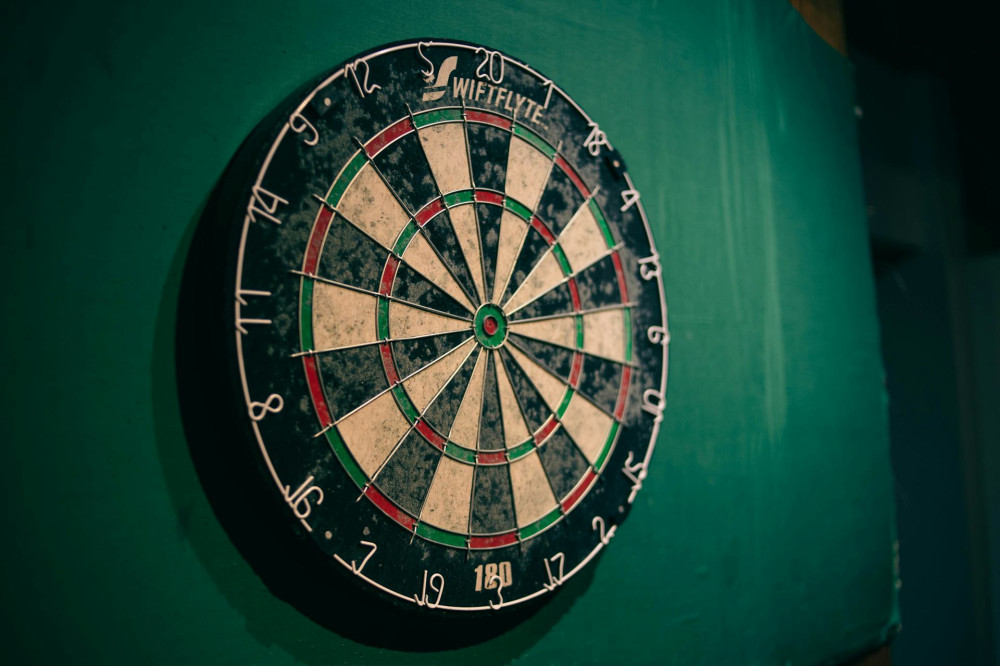
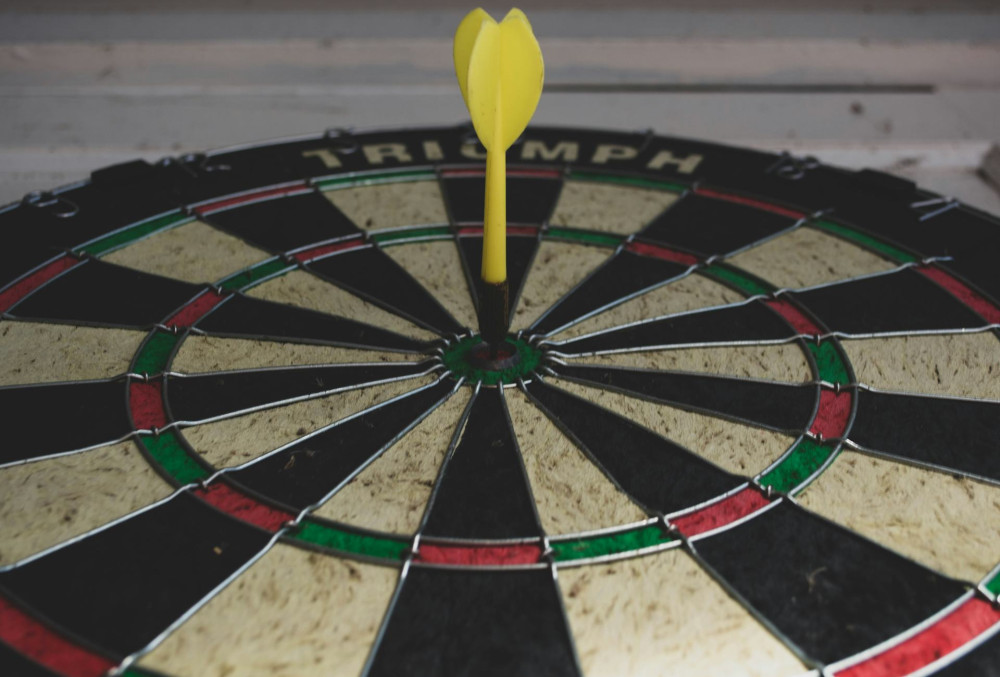
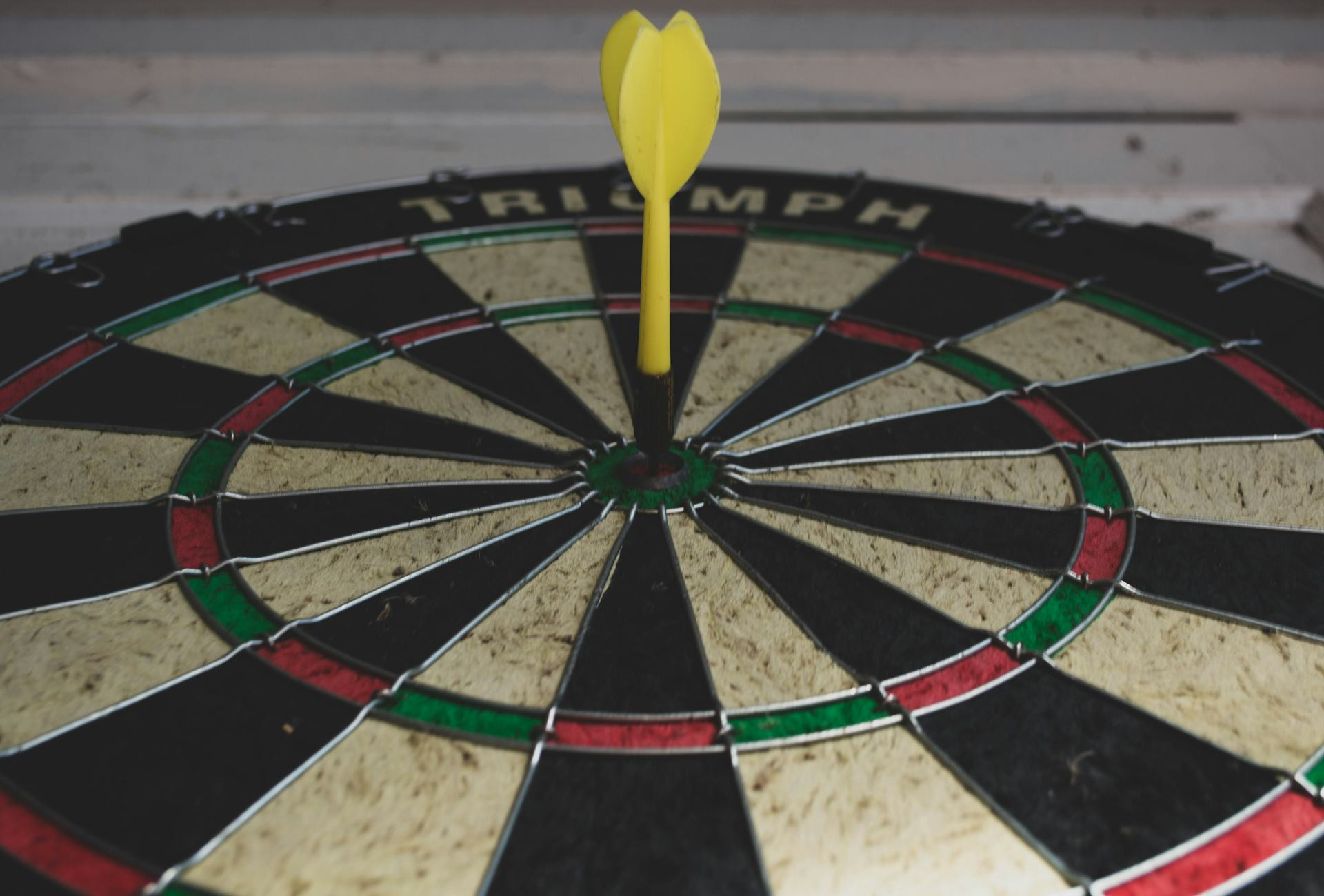
To the casual viewer, darts might look like a simple game: hit the board, aim for the centre, and score as many points as possible. But behind every precise throw and calm expression lies a world of strategy, psychology, and preparation. Professional dart players don’t just rely on skill – they plan their approach carefully, adapting to their opponent’s strengths and weaknesses. Here’s how top players in the UK and beyond think before they throw.
From Random Throws to Tactical Play
At pub level, darts often comes down to hitting the highest numbers possible. But in professional play, every throw is part of a calculated plan. Players must “check out” – finish a leg by reaching exactly zero – and that requires both mathematical precision and strategic foresight.
Elite players memorise countless combinations. If they’re left with 121 points, they know the possible routes: treble 20, single 11, and double 14, for instance. Yet the choice depends on the situation. If the opponent is close to finishing, a player might take a riskier route to end the leg faster. If not, they may opt for a safer, more reliable sequence.
Knowing the Opponent
A huge part of dart strategy is reading the opponent. Some players thrive under pressure, while others falter if the rhythm changes. Experienced players use this to their advantage – slowing down or speeding up their pace to disrupt the other’s focus.
Many professionals study their rivals before a match. They watch previous games to see which doubles they prefer, how they react to missed shots, and what patterns they repeat. This preparation can make all the difference when the match reaches its tense final stages.
The Psychology Behind Precision
Darts is as much a mental game as a physical one. A player can have flawless technique, but nerves can ruin even the best throw. That’s why mental routines are crucial: controlled breathing, visualising the throw, and focusing on the process rather than the outcome.
Keeping composure when an opponent hits a 180 – three treble 20s – is a skill in itself. The best players don’t get rattled; they stick to their plan, even when the crowd is roaring and the pressure is immense. Mental resilience often separates champions from the rest.
Data and Analysis as Modern Tools
In recent years, data analysis has become a key part of professional darts. Players and coaches review statistics on averages, finishing percentages, and scoring patterns to identify strengths and weaknesses. This data-driven approach helps refine strategy and training.
Some players even use software to simulate match scenarios – practising how to respond to an opponent who consistently scores high, or how to manage a comeback under pressure. The result is a more targeted and efficient preparation process.
Purposeful Practice
Strategic thinking starts long before match day. In training, professionals don’t just throw aimlessly; they practise specific sequences and finishing routes. They rehearse switching plans mid-leg if a dart lands off-target, and they train to maintain focus through long, gruelling matches.
Many also incorporate “match simulation” into practice – recreating tournament conditions with time limits, crowd noise, or competitive pressure. This helps them transfer their strategy seamlessly from the practice board to the big stage.
Læs også:



When Strategy Meets Instinct
Despite all the planning, darts still demands quick thinking. A player might have a plan, but one stray dart can change everything. That’s when instinct and experience take over. The best players know when to stick to the plan and when to take a calculated risk.
Balancing strategy and instinct is what defines a true master of the game. It’s not just about hitting the right numbers – it’s about making the right decisions in the heat of competition.
Strategy at the Heart of the Game
To spectators, darts might seem like a straightforward test of accuracy. But for the players, it’s a mental chess match played with tungsten and steel. Every throw, every pause, and every glance at the scoreboard is part of a larger plan. It’s this blend of skill, psychology, and strategy that makes darts one of Britain’s most captivating and competitive sports – both on the oche and in the minds of those who play it.
Læs også: