Darts Rules Explained: Understanding the Flow and Momentum of the Game

Darts Rules Explained: Understanding the Flow and Momentum of the Game
Darts is a game that blends precision, strategy, and psychology. At first glance, it may seem simple – throw three darts at a board and add up the points – but behind those throws lies a system of rules and tactics that can make or break a match. Whether you’re playing casually at your local pub or following the big tournaments on TV, understanding how the game works and how momentum shifts can deepen your appreciation of it.
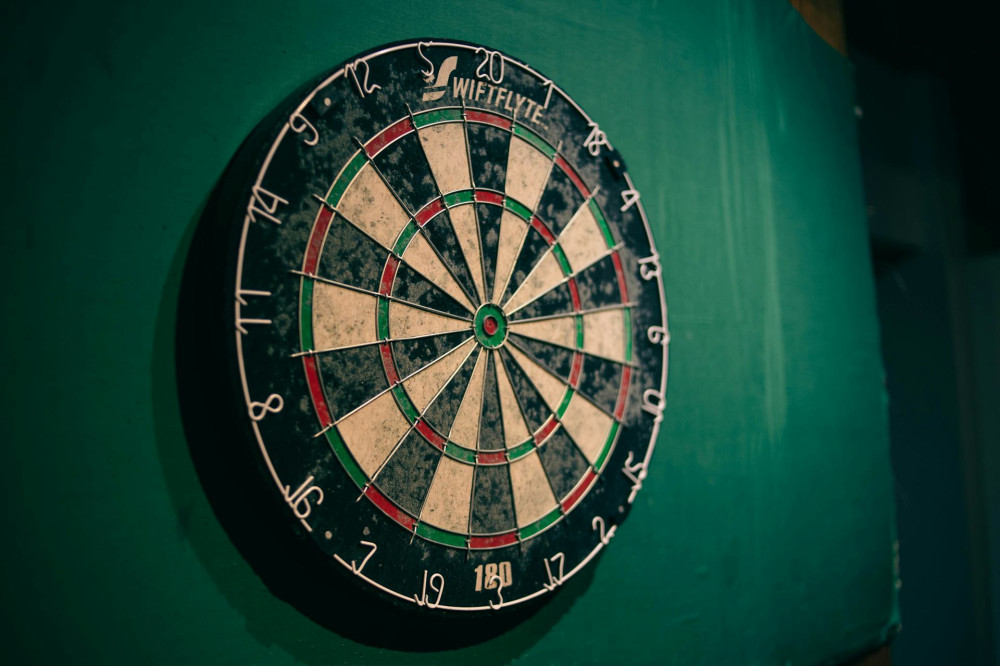
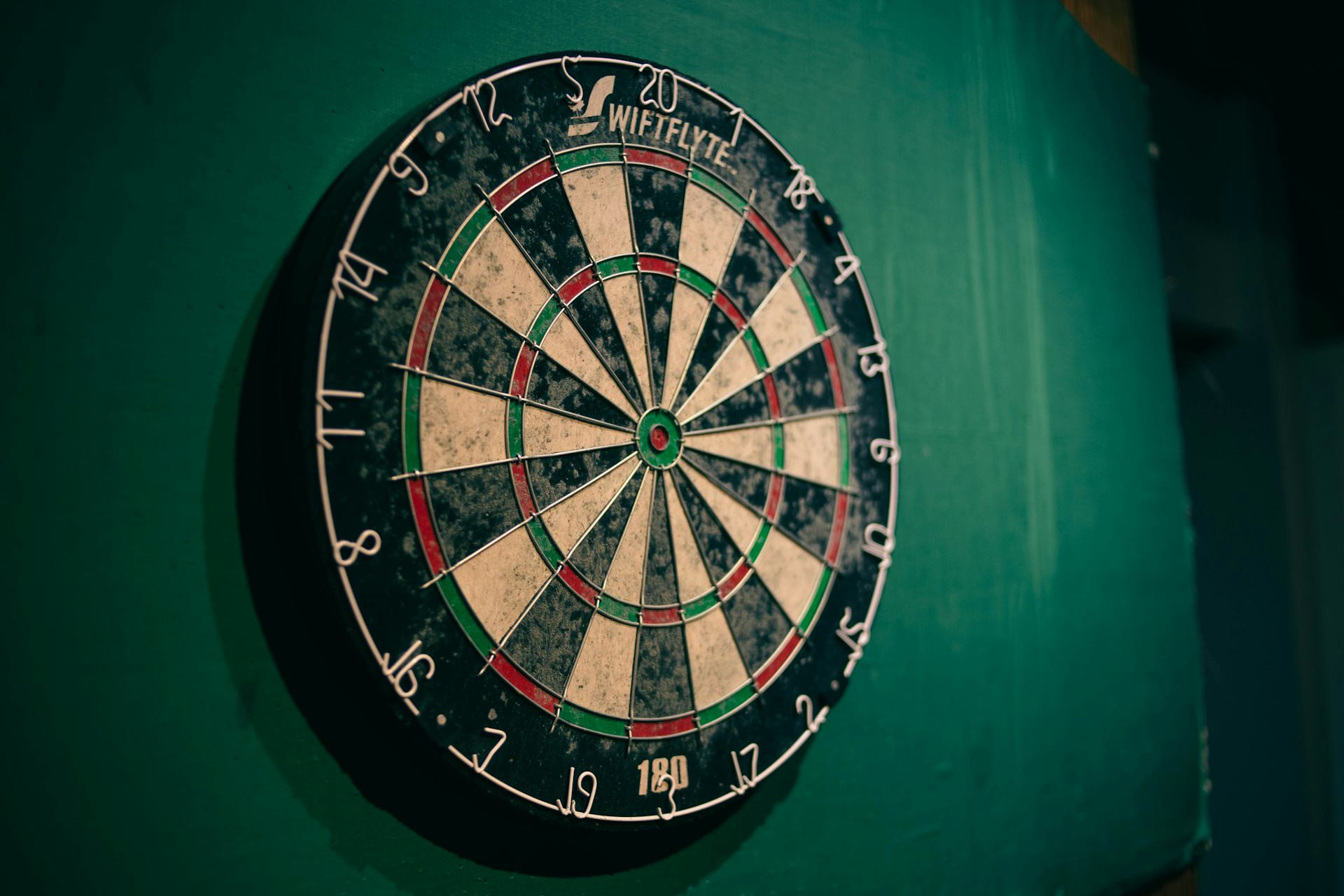
The Dartboard and Scoring
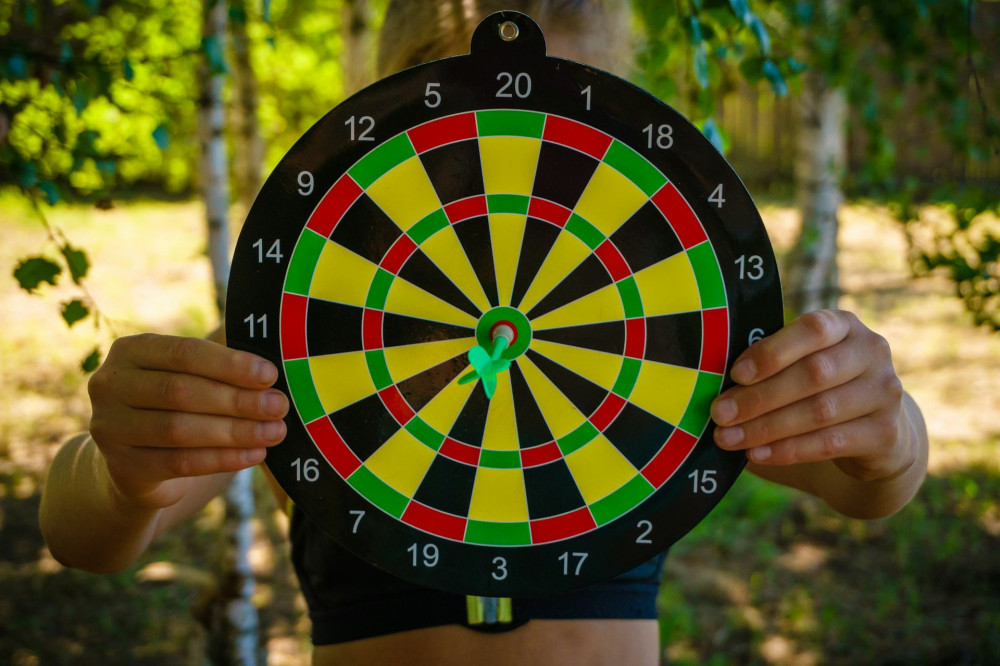
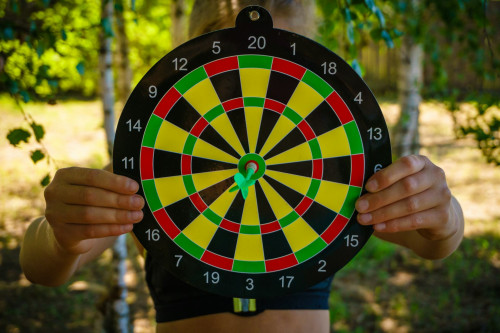
A standard dartboard is divided into 20 numbered sections, each worth between 1 and 20 points. In addition, there are special scoring areas that can multiply your score:
- Outer ring (the double) – doubles the value of the segment. For example, hitting double 20 scores 40 points.
- Inner ring (the treble) – triples the value. A treble 20 scores 60 points, the highest possible with a single dart.
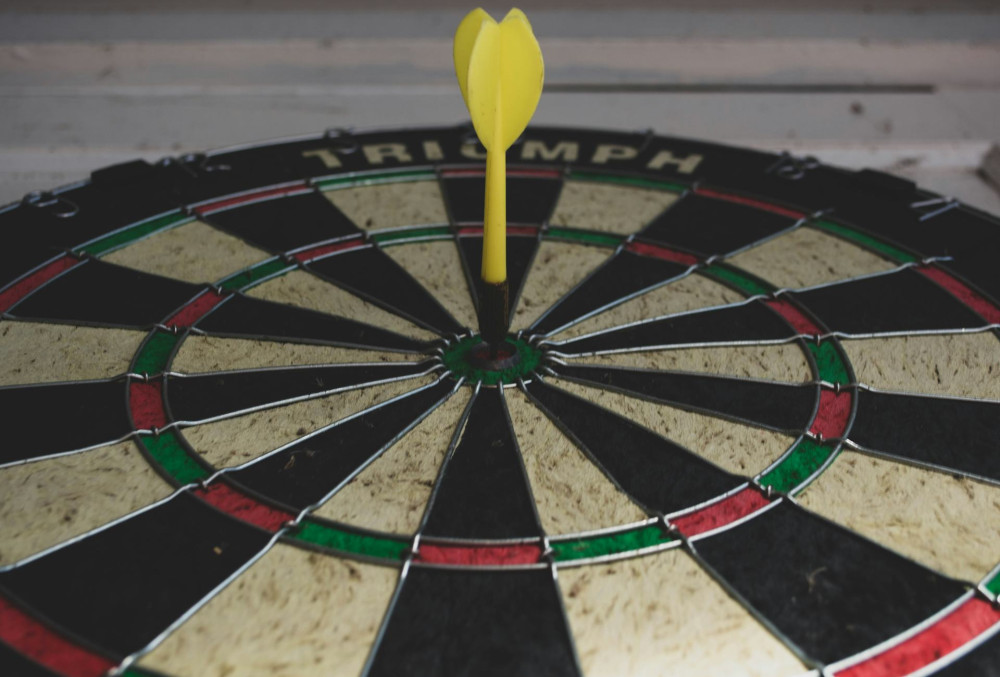
- Bullseye – the centre of the board. The outer green ring (single bull) scores 25 points, while the red centre (double bull) scores 50.
The board’s layout is designed to punish inaccuracy: high numbers are placed next to low ones, rewarding consistent precision rather than luck.
The Basic Game: 501
The most common format in both professional and casual play is 501. Each player starts with 501 points, and the goal is to reach exactly zero – not below. After each turn, the total scored is subtracted from the player’s remaining total.
A typical turn goes like this:
- Each player throws three darts per turn.
- The total from those darts is deducted from the current score.
- To win, a player must reach exactly zero, finishing on a double (or the bullseye, which counts as a double 25).
If a player scores more than their remaining total, or leaves themselves on 1, the turn is void – the score resets to what it was before the turn. This is known as a “bust”.
Legs, Sets, and Matches
A darts match is made up of several legs – individual games from 501 down to zero. The number of legs required to win depends on the format. In many professional tournaments, players compete in sets, each consisting of a number of legs.
For example, in a “best of 5 sets” match, the first player to win 3 sets takes the match. Each set might be “best of 5 legs”, meaning the first to 3 legs wins the set.
This structure allows for dramatic swings in momentum. A player might dominate one set, only to lose focus in the next – and suddenly the match is wide open again.
Momentum and Psychology in Darts
Darts is as much a mental game as it is a physical one. Momentum – that sense of control and confidence – can shift quickly. A player hitting multiple 180s (three treble 20s in a turn) can put huge pressure on their opponent. Conversely, missing a crucial double can turn the tide instantly.
Top professionals train not only their aim but also their mindset. They develop routines to maintain focus: consistent breathing, steady rhythm, and mental resets between throws. This psychological discipline often separates the greats from the rest.
Popular Variations
While 501 is the standard, there are many other versions that keep the game fresh and fun:
- 301 – the same as 501 but shorter, ideal for quick games.
- Cricket – players aim to “close” specific numbers (20, 19, 18, 17, 16, 15, and bullseye) before their opponent.
- Around the Clock – hit each number in order from 1 to 20, finishing on the bullseye.
- Killer – a group game where players first become “killers” by hitting their own number, then try to eliminate others.
These variations add variety and are perfect for social play or practice sessions.
Equipment and Setup
To play properly, the dartboard must be mounted at the correct height: 1.73 metres from the floor to the bullseye. The throwing line, or oche, should be 2.37 metres from the face of the board. Accurate setup is essential if you want to practise under match conditions.
Darts themselves come in different weights and materials, typically between 18 and 26 grams. The right choice depends on your throwing style – heavier darts offer stability, while lighter ones allow for faster, more fluid throws.
Læs også:
Improving Your Game
Getting better at darts takes patience and practice. Here are a few simple tips:
- Practise your doubles – most games are won or lost here.
- Find your rhythm – a consistent throwing motion builds confidence.
- Work on your mental game – learn to stay calm under pressure.
- Track your performance – note which areas you hit most and where you struggle.
Even small improvements in accuracy and focus can make a big difference over time.
Darts as a Community and a Sport
Darts is both a beloved pub pastime and a professional sport with a passionate following. Major events like the PDC World Darts Championship bring together players from around the globe, filling arenas with electric atmosphere. Yet the heart of the game still beats in local pubs, clubs, and living rooms, where friendly competition and camaraderie thrive.
At every level, darts is about the same core values: concentration, precision, and the satisfaction of hitting exactly what you aimed for.
Læs også: