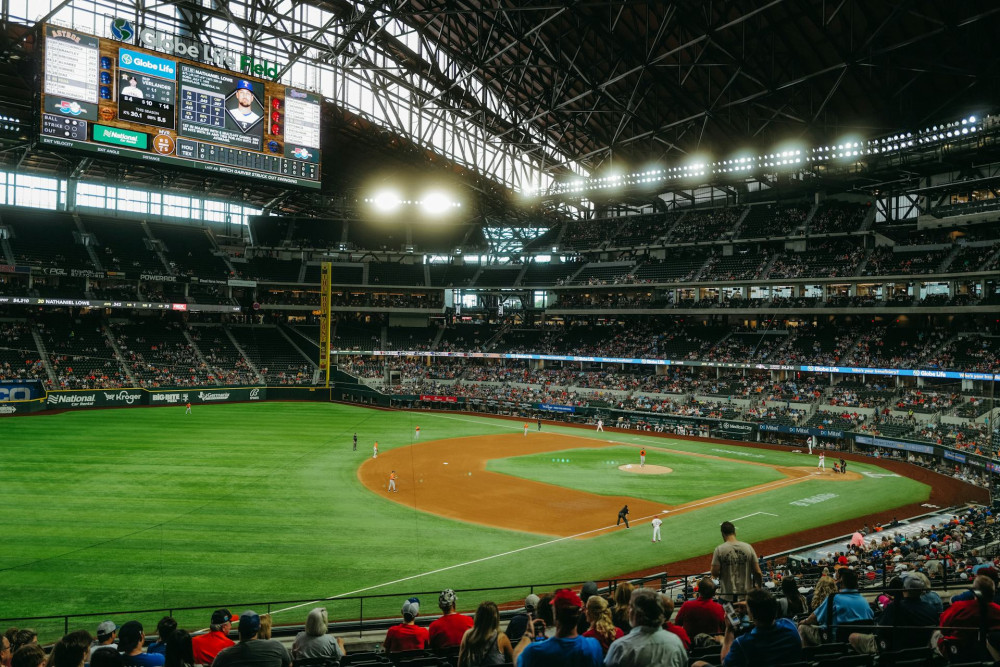
American football: A strategic chess game with 11 pieces per side
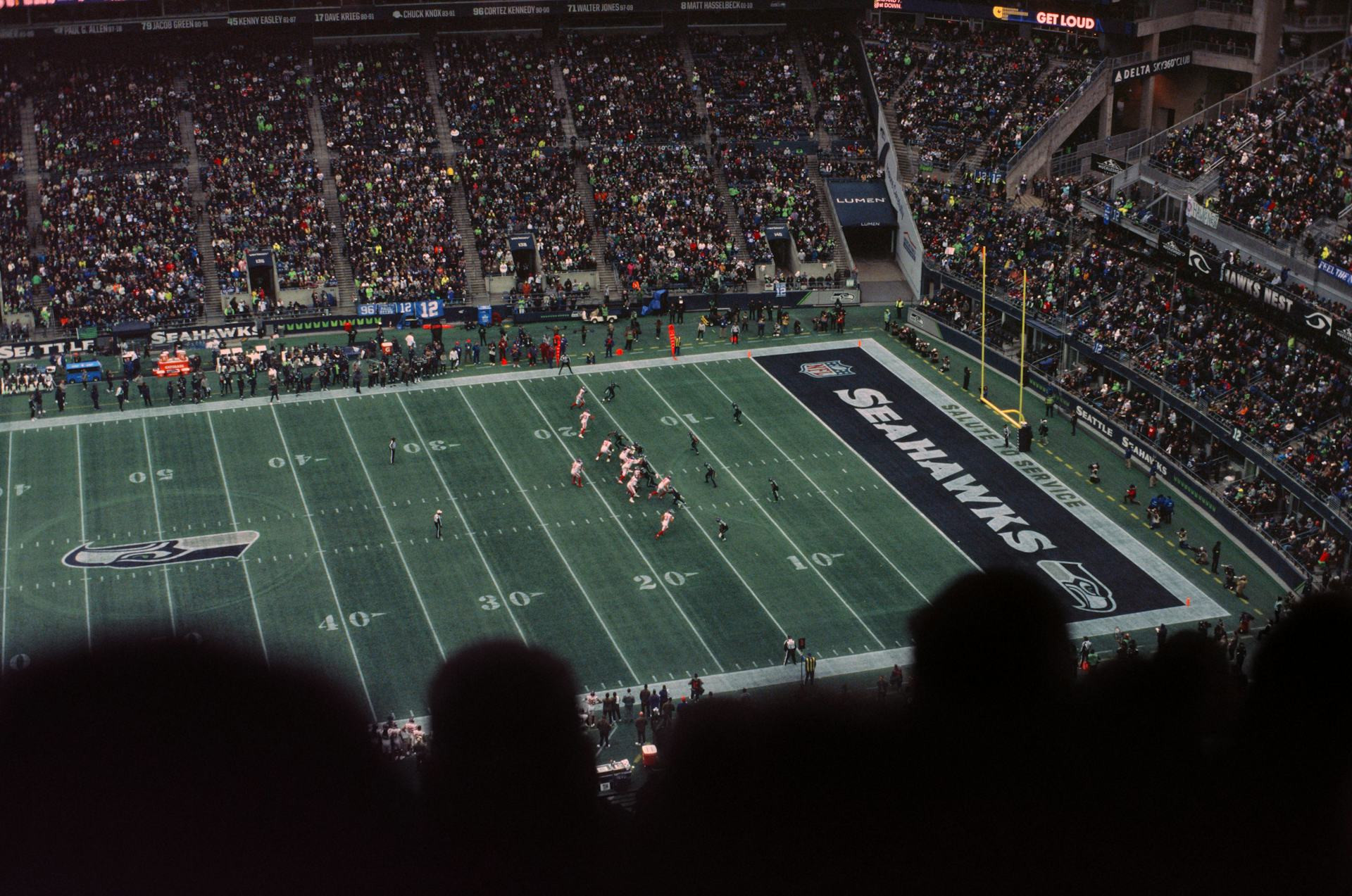
American football: A strategic chess game with 11 pieces per side
American football is often regarded as one of the most strategic sports played today. Much like a game of chess, it requires players to think several moves ahead, anticipate their opponents strategies, and adapt their plans on the fly. With 11 players on each side, the dynamics of the game can change rapidly, creating a fascinating interplay of tactics and execution.
The Setup: Understanding the Pieces
In chess, each piece has a specific role, strengths, and weaknesses. Similarly, in American football, each of the 11 players on both the offense and defense has designated positions that determine how they contribute to the teams strategy.
On offense, you have positions like the quarterback, running backs, wide receivers, and offensive linemen. The quarterback, akin to the chess king, orchestrates plays and makes critical decisions. The running backs and wide receivers can be compared to knights and bishops, moving dynamically to exploit openings in the defense.
On defense, players include defensive linemen, linebackers, and defensive backs. Depending on their roles, defensive players can swarm in like pawns defending their territory or cover deep like rooks to prevent huge gains. This variety in roles allows teams to implement complex strategies and counter-strategies.
The Opening Moves: Game Strategy
The game begins with a kickoff—akin to the opening moves in chess. Just as the best chess players carefully plan their initial strategies, teams use an array of offensive and defensive plays to establish control of the field.
Offensive teams often start with plays designed to test the defense. These “opening moves” can hinge on play-action passes or running plays intended to draw the defense in and open up space. Notably, the playbook serves as a teams strategy guide, containing various formations and play options. Coaches and quarterbacks will analyze their opponents setups, looking for weaknesses to exploit.
Mid-Game Adjustments: Real-Time Strategy
As the game progresses, adjustments must be made. In chess, players adapt to their opponents moves, reshuffling their strategies based on the board’s current configuration. Similarly, coaches and players in American football must make real-time decisions during games. If a certain play isnt working, teams may switch their offensive approach or alter their defensive alignment to counteract an aggressive opponent.
For instance, if the opposition is effectively running the ball, a defense might shift from a base formation to a more aggressive setup, adding an extra linebacker to stifle runs. Conversely, if a defense is too aggressive, an offense might opt for short, quick passes to exploit the open field and create opportunities for yards after the catch. These mid-game adjustments are pivotal, often determining the outcome of the game.
Endgame: The Final Quarter
The last quarter of a football game is often where the pressure mounts, much like the final moments in chess. Teams might find themselves having to play aggressively, taking risks to secure a win. Its not uncommon for offenses to employ hurry-up tactics, trying to capitalize on defenses that may be fatigued or out of position.
In these moments, the mental aspect of the game becomes crucial. Players must maintain focus and execute plays flawlessly under pressure. Just as in chess, where time can be a factor in decision-making, the urgency of the clock in football adds an element of excitement and unpredictability. Each decision made can shift momentum, whether thats calling a timeout, opting for a two-point conversion, or attempting a risky fourth-down play.
Training: The Preparation Behind the Strategy
Just as chess players spend countless hours honing their strategies, football teams rigorously prepare for every game. This preparation involves analyzing film from past games, studying opponent tendencies, and practicing specific plays aimed at overcoming defensive schemes.
During the week leading up to a game, coaches develop a game plan, studying formations and personnel matchups that could be advantageous. Players participate in drills and simulations that mimic real-game scenarios, ensuring they are ready to execute under pressure. This level of preparation enhances the group’s ability to function as a cohesive unit, much like the intricacies of a well-practiced chess setup.
Fans and the Game: The Spectators Perspective
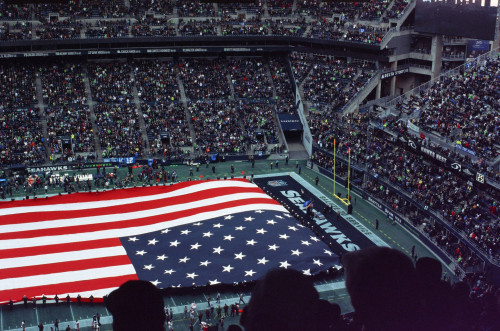
While players strategize on the field, fans often analyze and critique the unfolding game from the stands or their screens. Just like chess enthusiasts who dissect moves after the game, football fans engage in debates over play calls, player performances, and coaching decisions. The rich strategy underlying American football captivates audiences, drawing them into the chess-like complexities that make each game unique.
The emotional highs and lows that accompany a close game echo the deep, tactical battles familiar to chess players. Cheers and groans from the crowd punctuate moments of success and failure, showcasing how deeply entrenched fans are in the strategic elements of the sport.
American football weaves together intricate tactics, sharp decision-making, and psychological warfare on the field. The game is more than just a series of plays; it transforms into a strategic chess match with each player representing a critical piece, influencing the outcome from kickoff to the final whistle.