Patterns in Performance: How to Read Boxers’ Development Over Time


Patterns in Performance: How to Read Boxers’ Development Over Time
Understanding a boxer’s journey is about far more than counting wins and losses. Behind the numbers lie patterns that reveal growth, form, and mental resilience. For coaches, fans, and analysts alike, recognising these trends can offer deep insight into a fighter’s trajectory. Here’s how to read the signs of development in a boxer’s performance over time.
Statistics Are Only the Starting Point
Most people begin with the record: wins, losses, and knockouts. But those figures only tell part of the story. A boxer with twenty wins might have faced far weaker opponents than one with ten wins and three defeats. The quality of opposition matters – who did they beat, and how?
Look at results over time. Are victories increasingly coming by decision rather than stoppage? That could suggest a more tactical approach or a decline in punching power. Conversely, a rise in early knockouts might point to improved timing, confidence, or physical strength.
Læs også:



Tracking Changes in Fighting Style
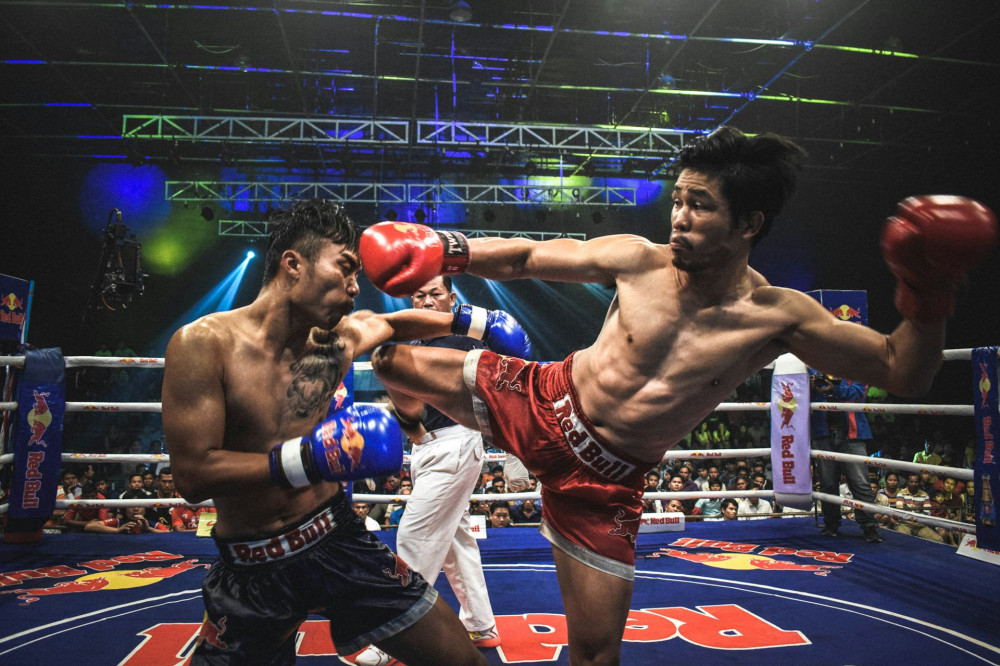
A boxer’s style evolves with experience. Early in their career, many rely on aggression and raw energy. With maturity often comes patience, better ring control, and smarter shot selection.
When watching fights across different stages of a career, pay attention to:
- Movement and footwork: Is the boxer more efficient in the ring, avoiding shots and dictating distance?
- Punch variety: Are combinations more diverse, or do the same patterns repeat?
- Defence: Are they closing gaps that once left them exposed, or do old habits persist?
These details reveal whether a boxer is learning from experience or stagnating in their development.
Physical Conditioning and Weight Classes
Boxers often move between weight divisions as their bodies change. This can signal ambition, but also challenges with weight management. Moving up can increase power but reduce speed; dropping down can enhance agility but sap endurance.
Compare performances before and after a weight change. Does the boxer fade in later rounds? Is their pace slower than before? Such signs may indicate that the new weight isn’t ideal. British fighters like Ricky Hatton and Kell Brook, for instance, showed how difficult it can be to balance power, stamina, and weight control across divisions.
Mental Patterns and the Context of the Fight
Boxing is as much psychological as physical. After a tough loss, some fighters return sharper and more determined; others struggle to regain confidence. Observing how a boxer performs after setbacks can reveal their mental toughness.
Context also matters. Big arenas, title fights, and home advantage can all influence performance. Some boxers thrive under pressure, while others tighten up. Watching how they handle the spotlight – whether at the O2 Arena or under the lights in Las Vegas – tells you a lot about their temperament.
Coaching Changes and Tactical Shifts
A new trainer can transform a boxer’s approach. Different coaches bring new philosophies, techniques, and strategies. If you notice a shift – perhaps a more defensive stance or a greater focus on counterpunching – it may reflect a change in the training camp.
The key is to see whether the change produces results. A short-term boost might come from renewed motivation, but sustained improvement suggests a strong partnership and effective adaptation.
Data, Video, and Instinct – Use Every Tool
Modern boxing analysis goes far beyond the scorecards. Punch statistics, movement tracking, and even biometric data can highlight trends. Yet numbers alone can’t capture everything. Watching footage reveals how a boxer reacts under pressure, how they adjust mid-fight, and how their body language changes.
Combine data with observation and intuition. Sometimes the smallest details – a subtle shift in rhythm, a quicker recovery after exchanges – reveal the most about a boxer’s progress.
Reading Development Means Seeing the Whole Picture
A boxer is not a machine but a person in constant evolution. Injuries, age, motivation, and life outside the ring all shape performance. Spotting patterns isn’t just about crunching numbers; it’s about understanding the story behind them.
When you learn to connect these elements – physical, technical, and psychological – you gain a richer picture of where a boxer stands and where their career might be heading. That’s what makes analysing boxing not just a science, but an art.
Læs også: