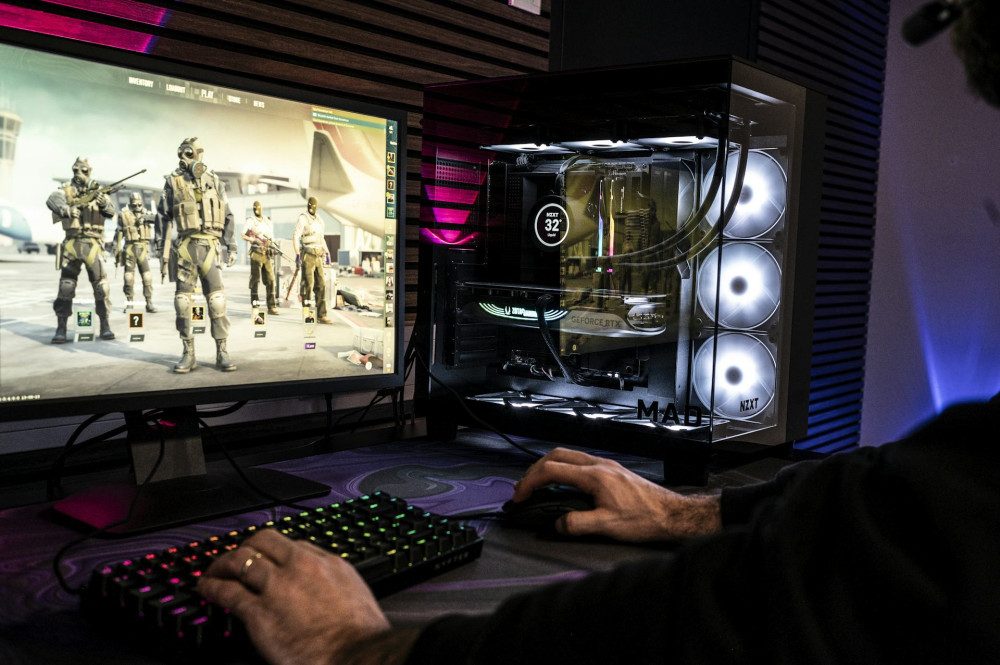
Monitor esports in real time with automated analysis tools


Monitor esports in real time with automated analysis tools
In just a few years, esports has evolved from a niche pastime into a global industry with millions of viewers and professional players. As the scene has grown, so has the demand for data and analysis – from coaches and players to commentators and fans. Today, automated analysis tools make it possible to monitor matches in real time, detect patterns, and make faster, more informed decisions. But how does the technology work, and what does it mean for the future of competitive gaming?
From manual observation to data-driven insight
In the early days, esports analysis relied heavily on manual observation. Coaches would spend hours reviewing recordings to identify mistakes, tactical patterns, or individual performances. It was time-consuming and often subjective.
Automated analysis tools have changed that. They can now collect and process data in real time, tracking everything from movement patterns and reaction times to economic decisions and team coordination. This gives coaches and analysts an objective overview of a match’s development – while it’s still being played.
Læs også:




How the technology works
The most advanced analysis systems combine several technologies:
- Machine learning recognises behavioural patterns and predicts likely outcomes based on historical data.
- Computer vision analyses video streams to identify events such as kills, positioning, and ability usage.
- API integrations provide access to raw game data, which can be transformed into graphs, heatmaps, and statistics.
- Automated dashboards present results in a clear, interactive format, allowing teams to react instantly.
For example, in Counter-Strike 2, a tool might visualise how a team’s positioning evolves over time or how often a player wins duels in specific areas of the map. In League of Legends, systems can measure how efficiently a team uses its resources compared to its opponents.
Benefits for teams, players, and fans
Automated analysis offers advantages across the esports ecosystem:
- For coaches, it means faster feedback and more precise tactical adjustments during matches.
- For players, it provides insight into strengths and weaknesses, enabling targeted training.
- For fans and commentators, it creates a deeper understanding of the game when data can be visualised live on broadcast.
Some major tournaments already use real-time data to display dynamic statistics during matches – a development that makes esports more engaging and accessible for viewers.
Challenges and ethical considerations
While the technology opens exciting possibilities, it also raises important questions. Where is the line between fair analysis and intrusive monitoring? If one team has access to more advanced tools than another, could that create an uneven playing field?
Data protection is another concern. Player performance and behavioural data are increasingly personal, and must be handled responsibly. Professional leagues are therefore developing guidelines for how data can be collected, stored, and shared.
The future: AI as a tactical partner
In the coming years, artificial intelligence will play an even greater role in esports. We can expect systems that not only analyse but also suggest tactical changes in real time – acting almost like a digital assistant for the coach.
At the same time, automated analysis will become more accessible to amateur and semi-professional players. Platforms already exist where gamers can upload their matches and receive detailed feedback within seconds. This democratisation of data could help raise the overall standard of play across the esports ecosystem.
A new era of understanding the game
Automated analysis tools are transforming how we understand and experience esports. They allow us to see the game in a new light – as a complex, data-driven discipline where intuition meets technology. For players, coaches, and fans alike, this means deeper insight and a more engaging experience.
The future of esports won’t just be about who plays best – but who understands the data best.
Læs også: